Details to verify before booking a private Gaudi tour in Barcelona
A private Gaudi tour in Barcelona can feel very different from a standard city walk. The buildings are busy, the streets around them can be tight, and the best visits depend on clear planning. Before committing, look past the attractive description and check the practical details that shape the day. A little care at the booking stage can prevent rushed transfers, missed entry times, and a tour that covers the wrong ground.
Gaudi sites are spread across the city, and not every route makes sense in the same amount of time. Sagrada Familia, Park Güell, Casa Batlló, and La Pedrera each have their own rhythm, entry rules, and crowd patterns. A good starting point is to decide which places matter most to the people going, then see whether the route is built around those priorities rather than a fixed list that may feel too crowded.
When comparing options, check whether the tour focuses on exterior viewing, interior entry, or a mix of both. This distinction matters because some spaces require timed tickets, security screening, or a change in pace between stops. If guided commentary is included, ask what it covers and how long it lasts. A tour that spends most of the time outside may be pleasant in good weather, but it will not offer the same architectural details as entry-focused visits. On the other hand, an entry-heavy itinerary may leave less time for wandering, photos, and the city context around each building.
Route and timing details worth confirming
The order of stops can affect the whole experience. A route that jumps from one side of the city to another may look impressive on paper but feel tiring in practice. Check whether the itinerary follows a sensible path and whether travel time between stops is included in the stated duration. If the day starts at Sagrada Familia and ends near La Pedrera, for example, the transition should be easy to understand. If Park Güell is included, confirm how the route handles the approach, since the setting is different from a city-centre street stop.
It is also worth checking the pace. Some visitors want a compact overview with clear explanations, while others prefer longer pauses for photos and questions. A private format should allow more flexibility, but that only helps if the schedule has enough breathing room. Look for wording that explains how time is divided between commentary, entry, and free moments. Vague timing often leads to a visit that feels either compressed or strangely empty.
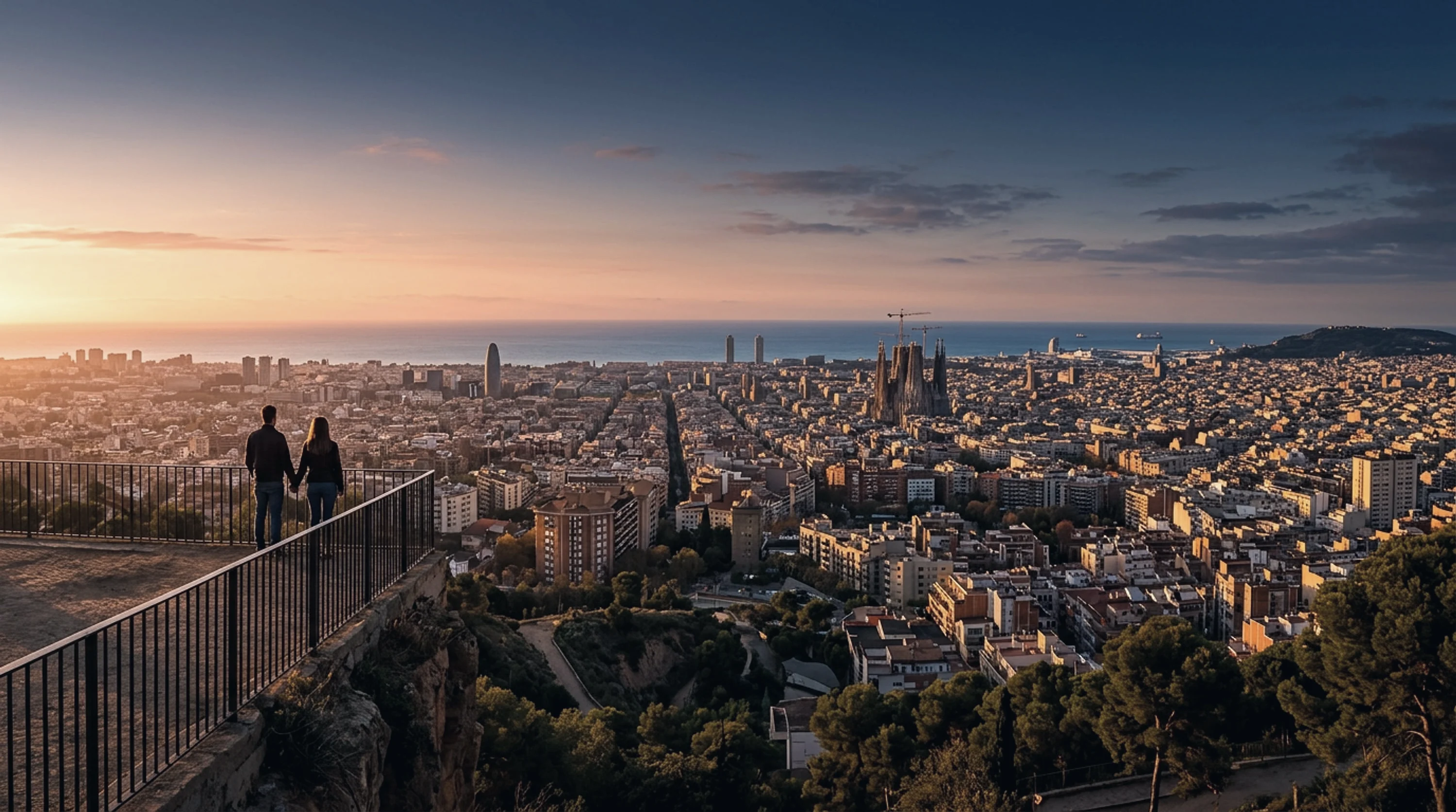
Entry arrangements deserve close attention. The phrase skip-the-line access is common in city tourism, but it can mean different things depending on the site and the arrangement. Confirm whether it applies to each included attraction or only some of them. Also check whether tickets are arranged in advance or handled at the location, and whether entry times are fixed. For high-demand places, a fixed slot can be useful because it gives the day structure, but it also means late arrival may have consequences.
What the guide and group setup should cover
Private tours vary more than many visitors expect. Some are designed for families, some for architecture enthusiasts, and some for first-time visitors who want a broad introduction. Read the description for signs of who the tour is aimed at. If the language is formal and dense, the visit may suit someone who enjoys technical detail. If it is simple and lively, it may work better for a mixed group with different levels of interest.
Guided commentary is one of the main reasons to book this kind of visit, so check how it is delivered. Questions to consider include whether the guide explains Gaudi's style across several buildings, whether connections are made between the sites, and whether there is time for questions. A tour that simply names features may feel shallow. A stronger visit helps the group notice patterns, such as the use of light, curves, colour, texture, and structure, without turning the day into a lecture.
Another detail to verify is the size of the group and who will be present. A private booking suggests a more personal setting, but the exact setup still matters. Check whether children are welcome, whether the route is suitable for slower walkers, and whether there are stairs, slopes, or long standing periods. This is not only about comfort. It affects whether everyone can take part without feeling rushed or left behind.
Anyone comparing providers may come across privatetourinbarcelona.com while researching options. The name alone does not tell a visitor whether a particular itinerary fits, so the content of the tour description still deserves a careful read. Look for specifics rather than broad promises, especially around the places included, the length of the visit, and how the route is organised.
Practical points before paying
Once the route makes sense, move on to the practical terms. These are the details that often cause frustration when they are unclear, especially in a city where plans can change quickly.
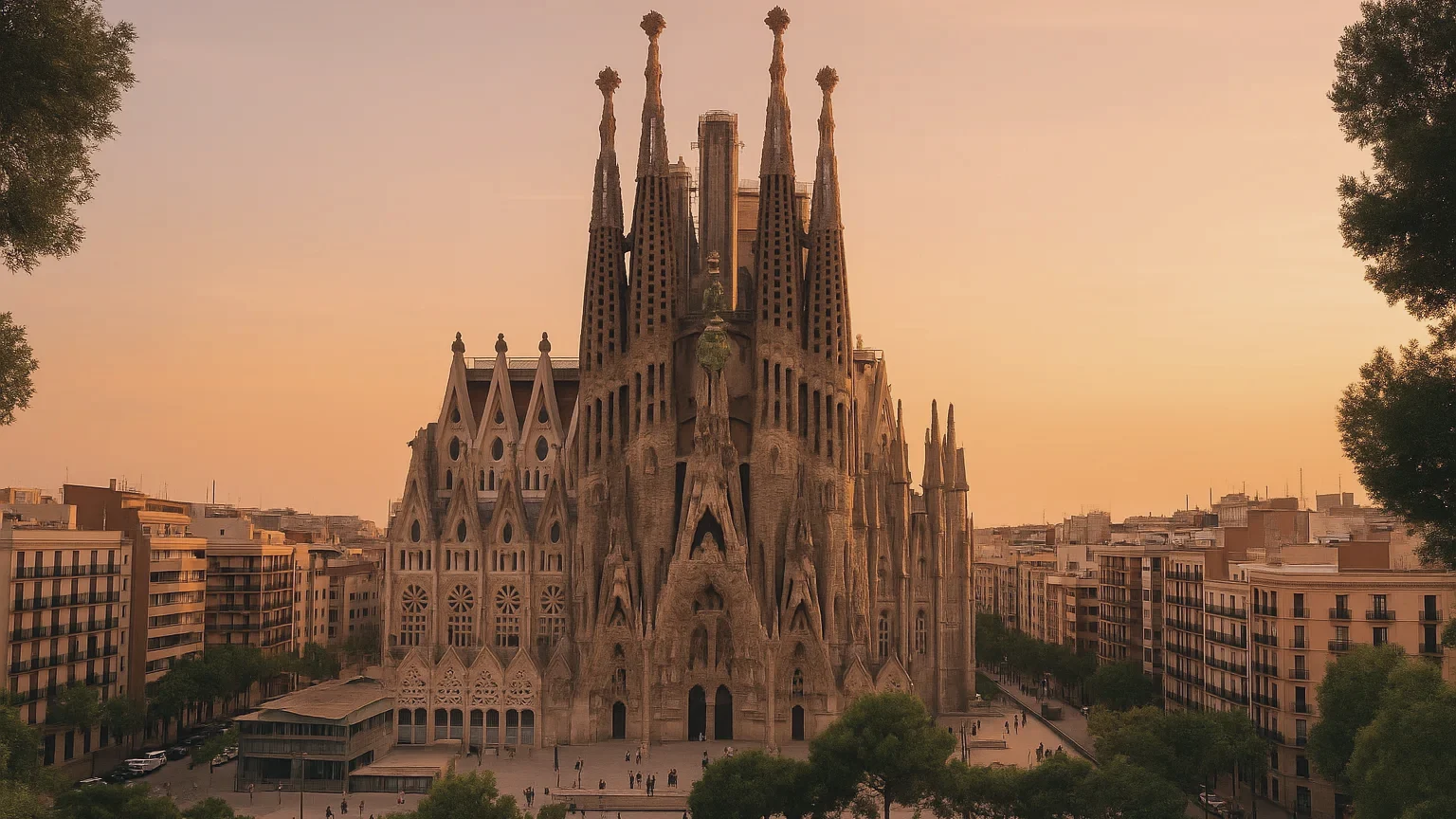
- Meeting point and end point. Check where the tour begins and where it finishes, then think about how those locations fit with hotels, restaurants, or other plans. A central finish can be useful after a long day.
- Included entries. Confirm which attractions are entered and which are viewed from outside. Do not assume that a building shown in the tour title is included inside.
- Language and communication. Make sure the tour language suits everyone in the group, and check how instructions are shared before the day.
- Changes and limits. Read the terms for alterations, late arrival, and missed entries. Clear rules are easier to accept than surprises.
- Access needs. Ask about walking distance, seating options, and route suitability if any visitor needs a slower pace or step-free access.
Weather and season also shape the decision. Barcelona can be warm and bright, but busy periods bring heavier foot traffic around major sights. A tour that includes a long outdoor segment may be more enjoyable at a quieter time of day. If the visit is planned for a peak period, check how the itinerary handles crowds and whether the route has enough flexibility to keep the group moving without losing the thread of the commentary.
Comparing value without guessing
Price matters, but it should not be the only measure. A lower-cost option may cover fewer interiors, offer less commentary, or pack too many stops into a short window. A higher-cost option is not automatically better either. The useful question is what the booking actually includes and how well that matches the group's interests. Compare the same things side by side: included sites, entry arrangements, duration, route, language, and pace.
It can help to shortlist two or three options and read them slowly. Pay attention to what is stated plainly and what is left vague. A description that says exactly how the visit unfolds is usually more useful than one filled with glowing adjectives. The same applies to photos and site structure. Images should support the itinerary, not replace clear information.
Visitors who want a focused experience may prefer fewer stops with stronger explanation. Those who want an overview may accept shorter time at each site. Neither choice is wrong, but they lead to different kinds of days. A private Gaudi tour in Barcelona works best when the booking matches that preference from the start.
A final read before you book
Before confirming, reread the itinerary as if planning the day from beginning to end. Picture the meeting point, the first stop, the moves between sites, the places where the group stands and listens, and the final destination. If any part is unclear, ask for clarification before paying. Clear answers at this stage often lead to a calmer visit.

A well-matched tour does more than tick off famous buildings. It gives the group time to understand how Gaudi's work fits into the city and why each site feels distinct. Checking the route, entries, commentary, pace, and terms before booking makes that outcome far more likely. The aim is not to find a perfect-sounding tour, but to find one whose practical details hold up once the day begins.
For a subject as visual as architecture, it is easy to book on impulse after seeing a few striking images. Slowing down for a careful review pays off. The right private visit should feel coherent, readable, and suited to the people taking part, from the first stop to the last conversation on the street.